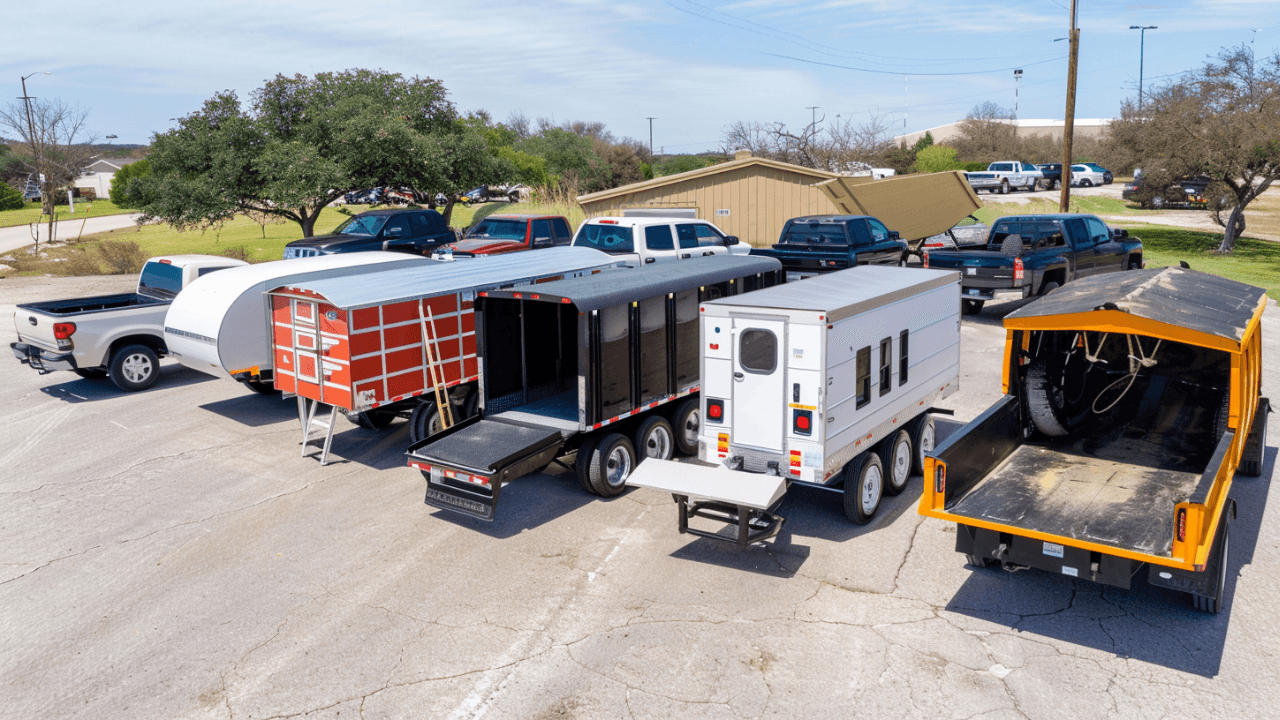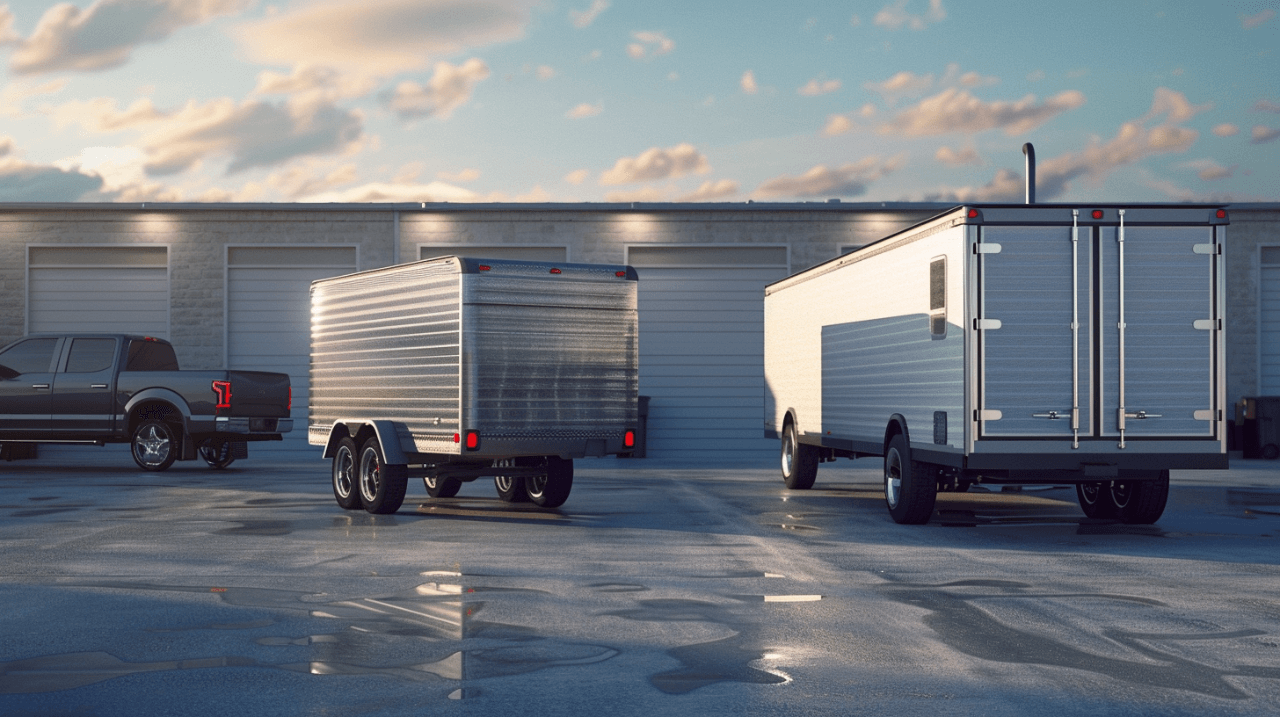
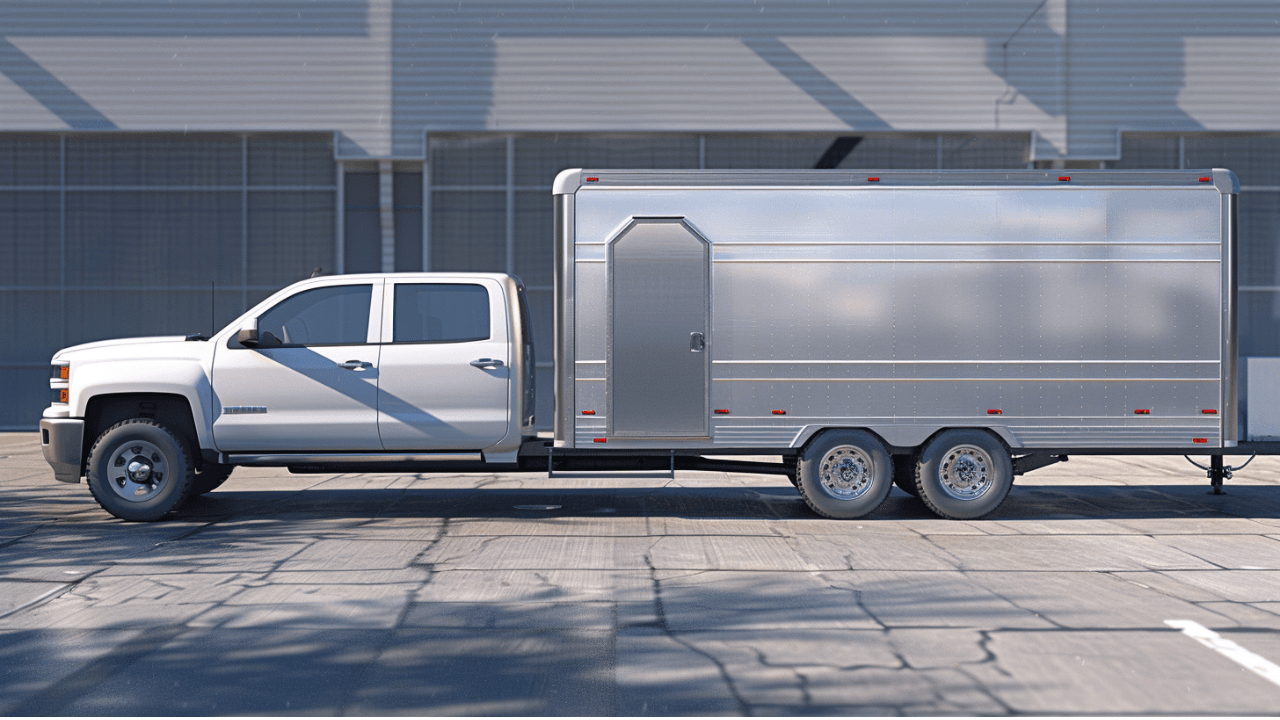
Renting a trailer in Austin gets a lot easier when you treat the towing setup like a quick compatibility check, not a guessing game. Most towing problems happen because the trailer is fine, but the tow vehicle, hitch parts, or wiring are mismatched.
This guide gives you a renter-friendly checklist you can follow in minutes, plus short explanations of what matters and why.
Summary
To tow a rental trailer safely, confirm your vehicle’s towing capacity and tongue weight, match the trailer coupler to the correct hitch ball, verify your hitch is rated for the loaded trailer weight, and use the correct wiring connector so lights work. If the trailer has electric brakes, you also need a brake controller and compatible wiring, plus a full light-and-brake test before towing.
Key Takeaways
- Towing capacity depends on loaded weight, not trailer length.
- Hitch ratings must cover trailer weight and tongue weight.
- Ball size must match the coupler exactly.
- Connector mismatch causes most trailer light failures.
- Electric brakes often require a brake controller and 7-way wiring.
Towing Setup Detailed Guide
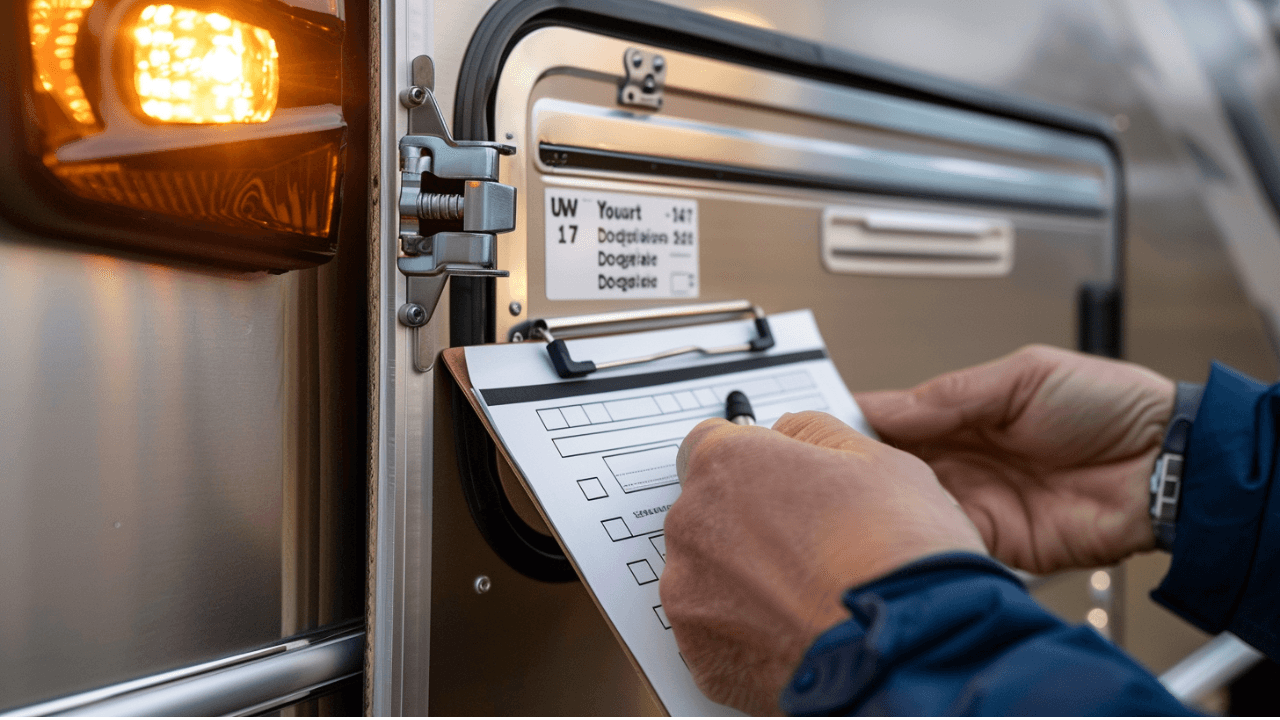
What should you check before you tow a rental trailer?
You should confirm four items before towing: towing capacity, hitch rating, ball size, and wiring compatibility. These are the most common renter failure points because they determine whether the trailer connects securely, tracks straight, lights work, and braking performs the way you expect.
This check takes minutes and prevents pickup-day surprises. If any one item is unknown, confirm it before you leave the lot.
What is your vehicle’s towing capacity and tongue weight limit?
Your towing capacity is the maximum your vehicle can safely tow, and tongue weight is the maximum downward load your hitch can safely carry. Both numbers matter because a trailer can be under the tow rating but still overload tongue weight or payload once passengers and cargo are added.
Tongue weight affects stability. Too light can increase sway, and too heavy can overload the rear suspension and reduce steering feel. According to NHTSA guidance cited in vehicle towing materials, trailer tongue weight is commonly kept at about 10 percent of total trailer weight, because loads balanced too far rearward can contribute to trailer sway and loss of control.
If your limits are close to your estimated load, choose a smaller trailer or reduce cargo weight so you have a margin instead of towing at the edge.
How do you estimate the loaded trailer weight fast?
Loaded trailer weight is the trailer’s empty weight plus the cargo weight, and that combined number is what your vehicle and hitch components must be able to handle. Many renters underestimate cargo because tools, boxes, furniture, and small extras add up faster than expected.
Estimate heavy items first, then estimate the rest, then add a small buffer for last-minute add-ons. If you can’t estimate confidently, downsize the trailer or split the load into multiple trips. Guessing is where towing day goes wrong.
What hitch rating do you need for trailer rentals?

Your hitch must be rated for the expected loaded trailer weight and the tongue weight, even if your vehicle’s tow rating is higher. Hitch ratings are commonly shown as GTW (gross trailer weight) and TW (tongue weight), and the lowest-rated component sets your true limit.
A common renter mistake is assuming that if a hitch is installed, it can handle any trailer. That becomes a problem when moving from a light utility trailer to a heavier enclosed trailer, dump trailer, or car hauler. Confirm hitch ratings before booking so you don’t have to change plans at pickup.
What hitch ball size do you need, and why does it matter?
You need a hitch ball size that matches the trailer coupler exactly because couplers are designed for specific ball diameters. If the ball is too small, the coupler may not stay securely seated under bumps and braking. If the ball is too large, the coupler may not seat fully and may not latch correctly.
Check the coupler stamp or confirm the coupler size with the rental provider, then install that exact ball size. Also, confirm your ball and ball mount are rated for the expected load. Close enough is not safe when the coupler is the primary connection point.
What trailer wiring connector do you need: 4-pin or 7-way?

The connector you need depends on the trailer’s lighting and brake requirements. A 4-pin flat connector commonly supports basic lights, while a 7-way connector is commonly used when additional circuits are needed, including electric brakes on many heavier trailers.
Most trailer light failures come from a connector mismatch, corrosion, a poor ground, or a tow-vehicle fuse issue. The practical fix is to plug in and test the lights at pickup before you leave. If something fails, troubleshoot on the lot instead of on the roadside.
When do you need a brake controller?
You need a brake controller when the trailer has electric brakes because the controller provides regulated braking output to the trailer brakes during stops. Many heavier trailer types commonly use electric brakes, including many car haulers, larger enclosed trailers, dump trailers, and equipment trailers.
Without trailer brakes on a braked trailer, your tow vehicle does all the stopping, which increases stopping distance and can reduce stability in traffic or downhill. Confirm whether the trailer has electric brakes and whether your tow vehicle has a working brake controller before pickup.
Hooking Up a Rental Trailer at Pickup

How do you hook up a rental trailer correctly at pickup?
Hooking up correctly means the coupler is seated and locked, safety chains are attached properly, and lights and braking are tested before you drive away. This pickup routine catches most mismatches while you still have time and help.
Coupler connection
- Lower the coupler fully onto the ball
- Close the latch and insert the safety pin/lock
- Do a gentle tug test
Safety chains
- Cross chains under the coupler
- Attach to frame points
- Keep slack for turns, not dragging
Wiring + light test
- Plug in fully
- Test running, brake, and turn signals
Final walkaround
- Doors/ramps secured
- Cargo won’t shift
- Nothing hanging or dragging
What should you test before you tow out of the pickup location?
You should test lights, connection points, and braking before leaving because a trailer can be hooked up and still be unsafe. Test running lights, brake lights, and turn signals, then re-check the coupler latch, safety pin, chains, and jack position.
The Texas DPS trailer lighting guidance document (CVE-38) shows common required lamps and reflectors. If the trailer has electric brakes, confirm the brake controller recognizes the trailer and responds during a controlled brake test.
Example / Template: Trailer Compatibility Check (Short Table)
| What to confirm | What to fill in | Where to find it | Pass rule |
| Tow limits | Max tow + tongue weight | Owner’s manual/stickers | Loaded weight stays under |
| Hitch rating | GTW + TW | Hitch label or stamp | Ratings meet/exceed load |
| Receiver + mount fit | Receiver size | Measure receiver opening | Must fit exactly |
| Ball + coupler match | Ball size installed | Coupler stamp / rental info | Must match exactly |
| Loaded weight estimate | Empty + cargo | Rental specs + your estimate | Must stay under limits |
| Wiring match | 4-flat or 7-way | Vehicle + trailer plug | Plug type matches |
| Brakes | Electric brakes? | Rental specs / visual check | Controller needed if yes |
| Pickup test | Lights + tug test | At pickup | Must pass before leaving |
FAQs

How do I calculate towing capacity for a rental trailer?
Use your vehicle’s rated tow limit and tongue weight limit, then estimate the loaded trailer weight (empty trailer + cargo). Stay under your limits with margin. If you’re unsure, choose a smaller trailer or reduce the load before pickup.
What hitch ball size is standard for most rental trailers?
There isn’t one universal size. The hitch ball must match the trailer coupler exactly. Confirm the coupler size on the trailer or with the rental provider, then install that exact ball before towing.
Do I need a brake controller for a rental trailer?
You need a brake controller if the trailer has electric brakes. Many heavier trailers do, but not all. Confirm brake type and connector type before pickup, and don’t tow a braked trailer without a working controller.
Why don’t my trailer lights work when I plug in?
Common causes are a connector mismatch, corrosion, a poor ground, adapter issues, or a vehicle fuse problem. Test running lights, brake lights, and turn signals at pickup so you can fix issues before leaving.
The federal definition of GVWR in 49 CFR §571.3 defines it as the value specified by the manufacturer as the loaded weight of a single vehicle.
Checklist: Prevent Towing Mistakes Before You Leave

- Confirm tow rating and tongue weight limits.
- Confirm hitch GTW and TW ratings.
- Install the correct hitch ball size.
- Match connector type: 4-flat or 7-way.
- Test running lights, brake lights, and turn signals.
- Confirm whether the trailer has electric brakes.
- Confirm the brake controller works if required.
- Tug test coupler and cross safety chains.
- Re-check connections after 10–15 minutes.
A safe towing setup comes down to confirming towing limits, matching hitch and ball sizing, and verifying wiring and braking before you leave the pickup. If you want the right trailer match for your tow vehicle in Austin, inquire with us today to compare options and book a trailer that fits your job.