
If you run a crew in Austin, a trailer isn’t just something to haul with. It affects how fast you load out, how safely you move equipment, and whether tools stay protected between job sites.
This guide makes trailer decisions easier. It helps contractors and small businesses choose the right trailer type and decide when weekly or monthly rentals make more sense for recurring work. It also explains how delivery and consistent availability can reduce downtime.
Summary
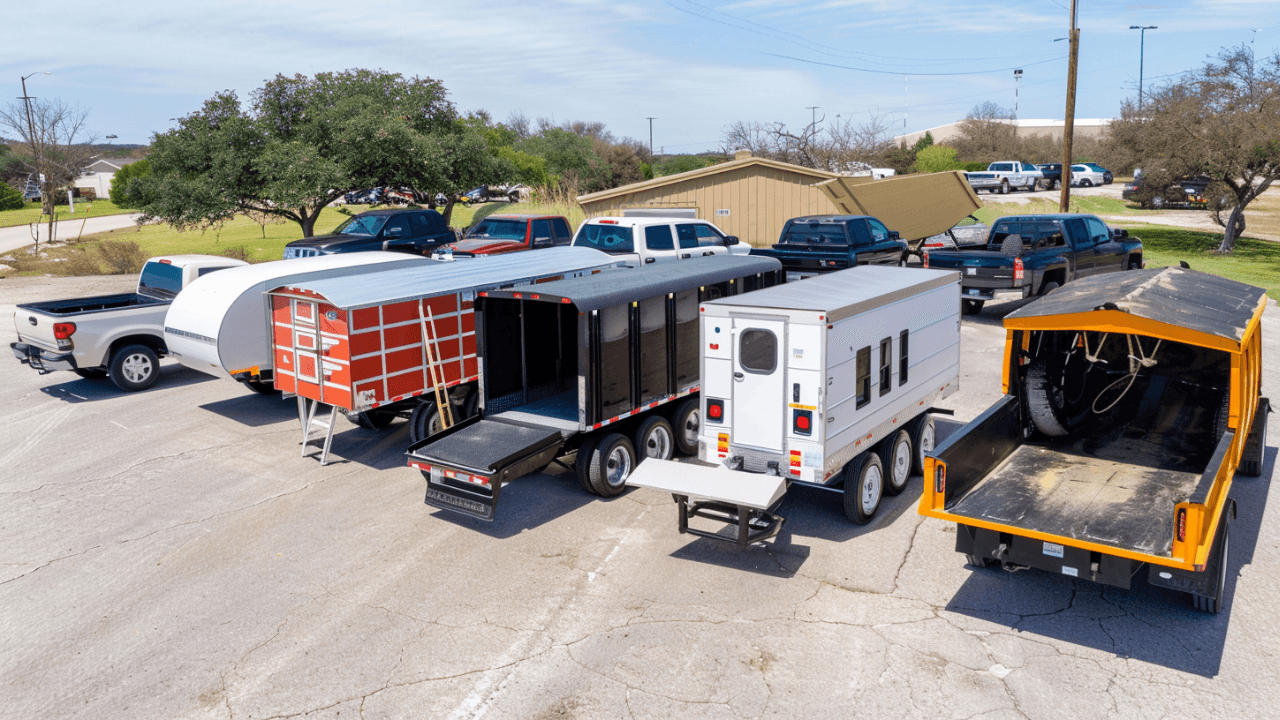
The best trailer rental for contractors and small businesses in Austin depends on your workflow. Choose based on the job. Dump trailers handle debris, equipment, and flatbeds move machines, enclosed trailers protect tools, and utility trailers cover lighter hauls. Weekly rentals fit multi-day schedules, while monthly or extended rentals support ongoing work with consistent availability and delivery options.
Key Takeaways
- Match the trailer to your bottleneck: debris, loading, or tool security.
- Weekly rentals fit projects with repeated hauls across several days.
- Monthly and extended rentals fit steady pipelines and recurring contracts.
- Delivery helps when crew time costs more than pickup time.
- Confirm tow rating, hitch, wiring, and brake requirements early.
How To Choose Trailer Rentals for Ongoing Work
What trailer is best for construction debris and demo haul-off in Austin?
A construction debris and demo haul-off job is usually best served by a dump trailer. It makes unloading faster and cleaner at disposal sites, which matters when you’re trying to keep crews moving. Dump trailers handle drywall, flooring, roofing tear-off, yard waste, and mixed debris well, especially when you want to avoid hand-unloading.
If you’re running debris removal as an ongoing service, plan your rental length around your disposal cadence. It can be every-other-day runs versus one weekly dump run. That’s often the difference between a daily rental and a weekly contract-style setup.
In Texas, brake requirements depend on trailer weight and conditions, so verify your setup using the Texas Transportation Code brake requirement section.
What trailer is best for moving compact equipment between job sites?
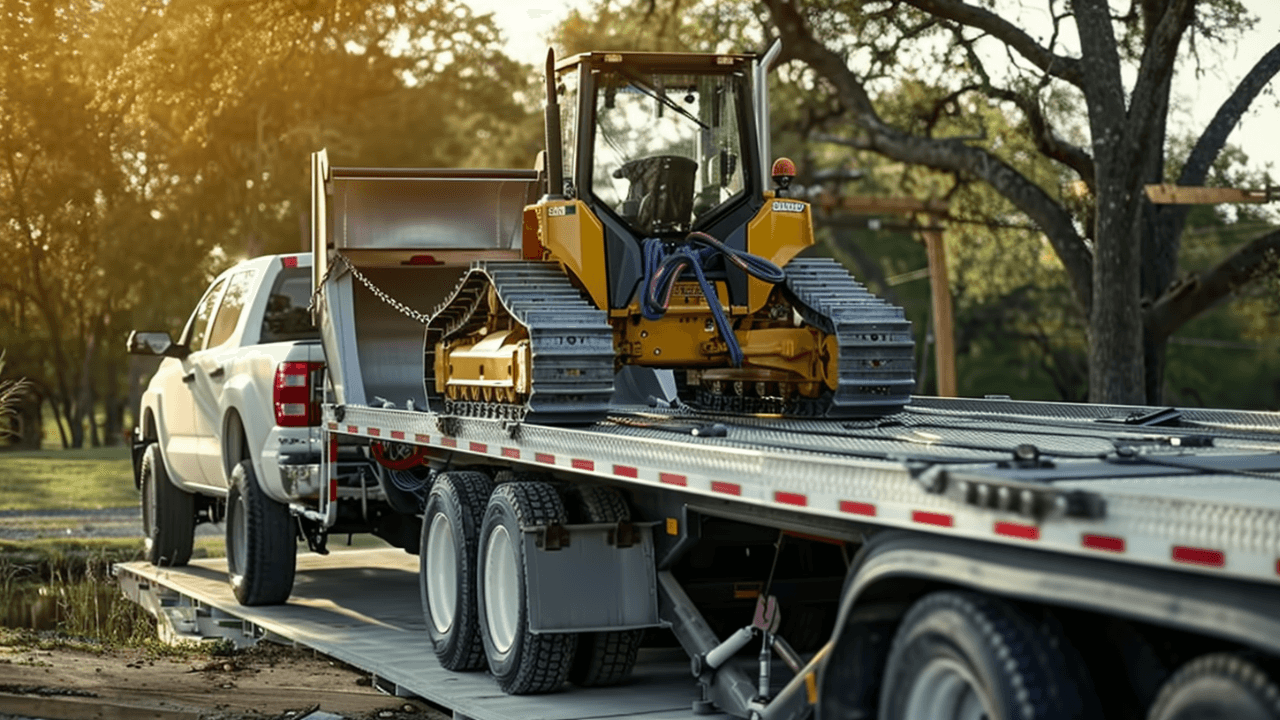
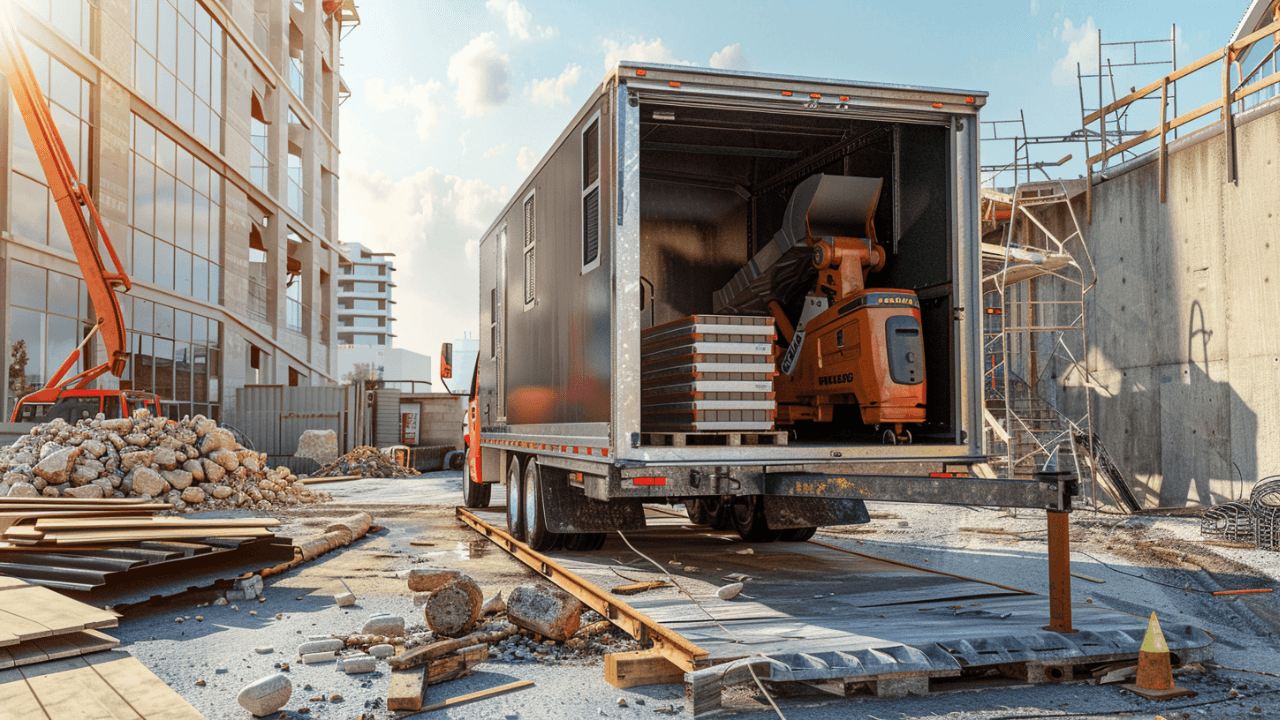
Equipment moves need the right trailer for stability. An equipment trailer or flatbed works best because the deck layout and tie-down points are built for machines and securement. This setup fits skid steers, mini excavators, trenchers, scissor lifts, and attachments that must load safely and stay locked in place.
Here’s what matters most for equipment moves:
- Deck length vs machine length
- Ramp style and approach angle
- Tie-down points in the right locations
For repeat jobsite moves, standardizing your setup helps. Some rental packages include basics like straps and the correct ball size, which can save crews time on delays.
If your machine is close to its limits, choose the trailer that gives a safer loading geometry, not the one that looks big enough.
What trailer is best for tool security and a mobile shop setup?
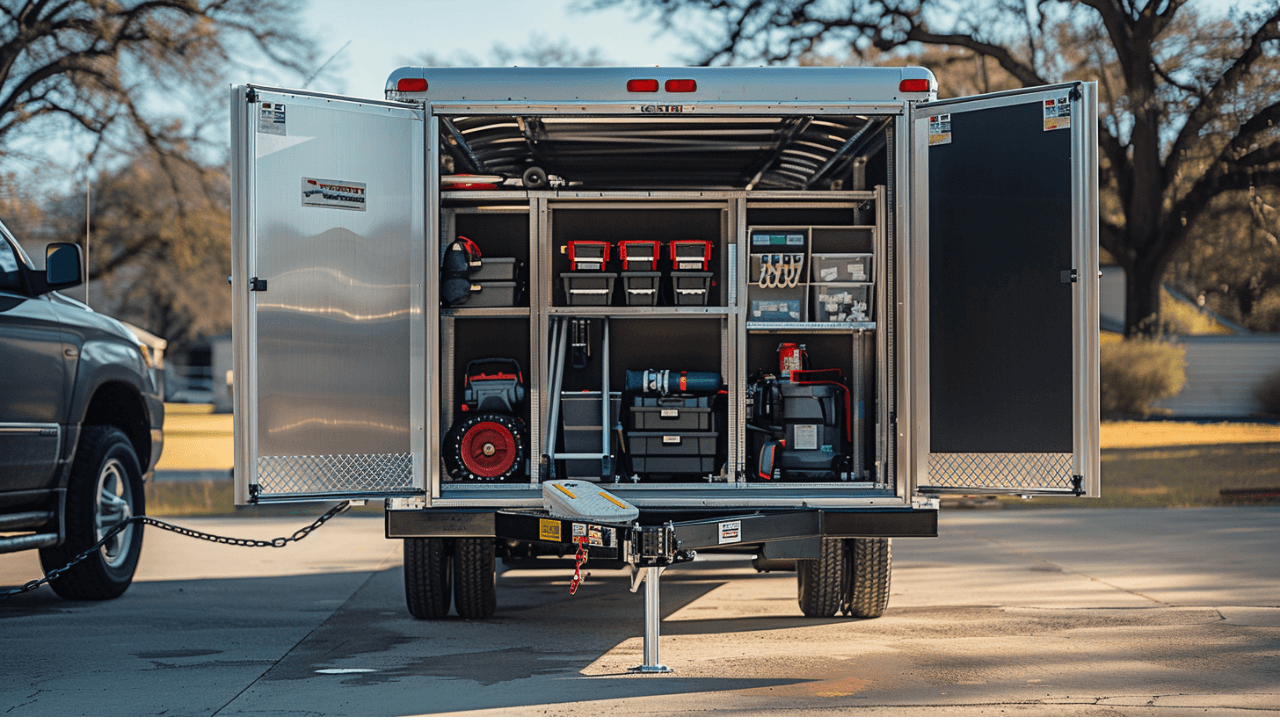
Tool security and mobile setup needs are best served by an enclosed trailer. It protects tools from the weather and reduces visual theft risk. Enclosed trailers also help crews stay organized, especially if you run repeat jobs and want a consistent loadout.
Enclosed trailers are a great fit when you haul compressors, generators, ladders, packed supplies, and toolboxes. They are not always ideal for messy debris. Cleanup can take longer.
For longer rentals, do a quick safety check first. Before you roll out, confirm the coupler is secure, the tires look sound, and the brakes work properly, since you’ll tow more miles over the rental period.
What trailer is best for landscaping businesses in Austin?
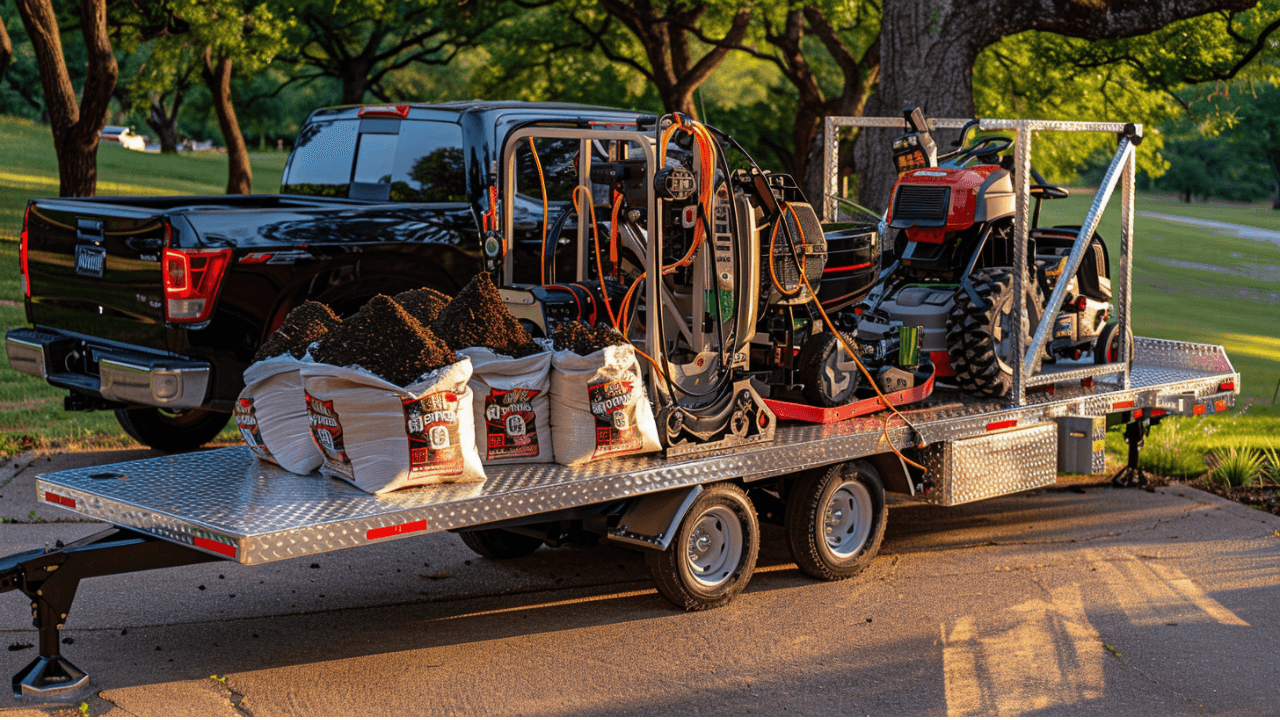
A landscaping business does best with a utility trailer for lighter hauling and fast load-in. An enclosed trailer is best if tool protection and organization matter more. Utility trailers are a strong match for mowers, trimmers, blowers, mulch, and green waste if you have a tie-down plan and can handle weather exposure.
If your work is steady across the season, weekly or monthly scheduling can reduce wasted time around pickup and returns. Texas Pro Trailers offers flexible rental periods. Options include daily, weekly, and monthly, which fit seasonal landscaping workflows where needs repeat.
If you routinely haul heavier debris or soil, a dump trailer can also make sense for faster unloading and fewer cleanup headaches.
When should you choose a weekly trailer rental instead of daily?
A weekly trailer rental is the better choice when your work spans multiple job days, and you will use the trailer repeatedly that week. Weekly rentals reduce the friction of repeated pickup and return. Plus, they help you avoid schedule pressure when jobs run long.
Weekly is a practical fit when you have two or more haul days, multiple job sites, or a project where the trailer is used for staging. Remodel work and property cleanouts fall into this category. Weekly also helps when you need to keep materials secure overnight, and you do not want to unload tools daily just to return the trailer.
When should you choose a monthly trailer rental?
A monthly trailer rental keeps operations steady. It’s the right choice when a trailer becomes part of your standard setup for recurring contracts, peak-season work, steady pipelines, or equipment that moves between sites every week.
Monthly also improves planning by giving you consistent availability and reducing reconfiguration time between jobs. Texas Pro Trailers offers daily, weekly, and monthly rentals. Extended rental periods are also supported with custom quotes when you need longer than standard terms.
How do you estimate trailer capacity and stay within safe limits?
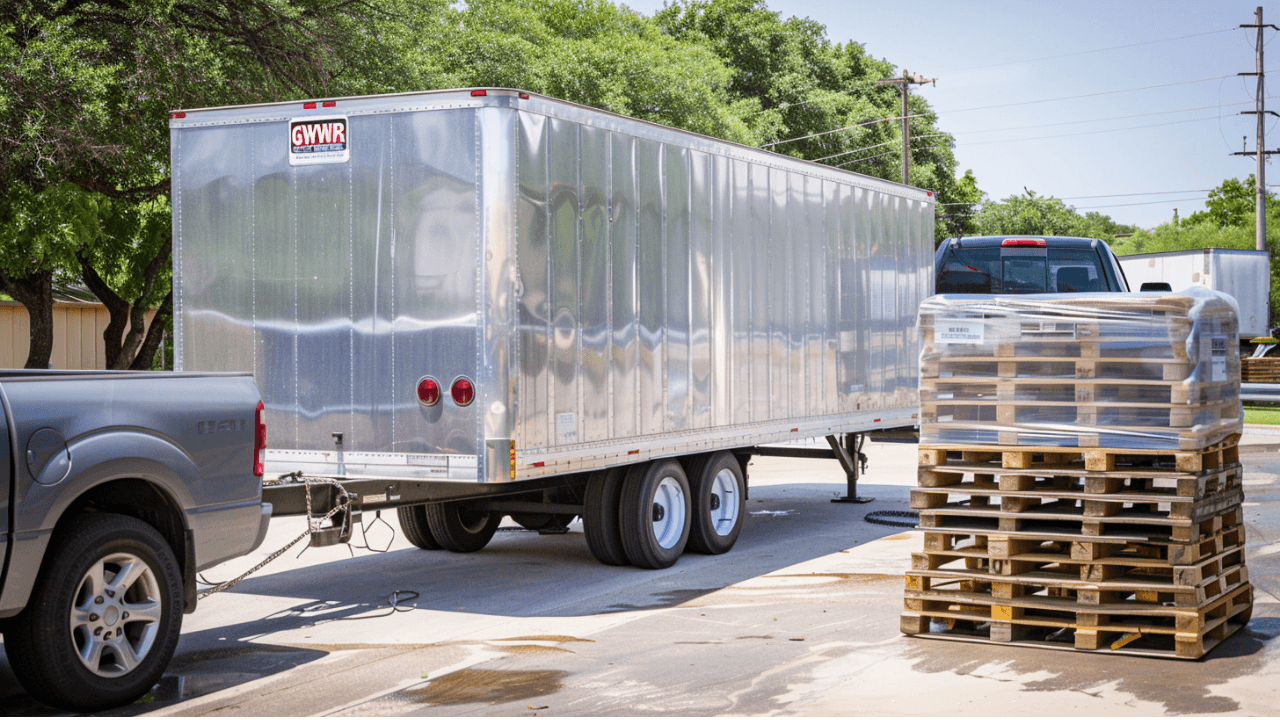
Trailer capacity planning starts with rated limits and your real load weight. A trailer’s GVWR is the combined weight of the empty trailer plus its rated cargo load. This is explained in federal safety interpretation guidance.
Start by estimating the weight of your heaviest load. Then confirm your tow vehicle capacity, hitch rating, and brake requirements so you don’t get caught at pickup. If you’re unsure, choose the safer setup and avoid last-minute upsizing.
When is jobsite delivery worth it for contractors in Austin?
Delivery is worth it when crew time drives decisions. It cuts travel time, keeps crews on-site, and helps prevent start-time delays when you’re managing multiple addresses on a tight schedule. If pickup works better, you can handle pickup and drop-off in South Austin on South Congress Avenue near Slaughter Lane.
A simple way to decide is comparing delivery cost to the labor and downtime cost of pickup and return. This is especially relevant for contract work where you’re managing multiple jobs per week. You avoid a missed start time that can ripple across the schedule.
Example / Template
Use this quick match table to choose fast without overthinking.
| Scenario | Best trailer type | Why it fits |
| Demo debris and recurring haul-off | Dump trailer | Fast unloading, cleaner disposal runs |
| Skid steer or mini excavator moves | Equipment trailer or flatbed | Safer loading geometry and tie-down options |
| Daily tool transport and storage | Enclosed trailer | Security, weather protection, organised loadout |
| Landscaping gear and lighter hauling | Utility trailer | Quick loading, flexible for mixed lighter loads |
| Multi-site work week | Weekly rental | Fewer pickup/return interruptions |
| Steady pipeline or recurring contracts | Monthly rental | Consistent availability and repeatable workflows |
FAQs
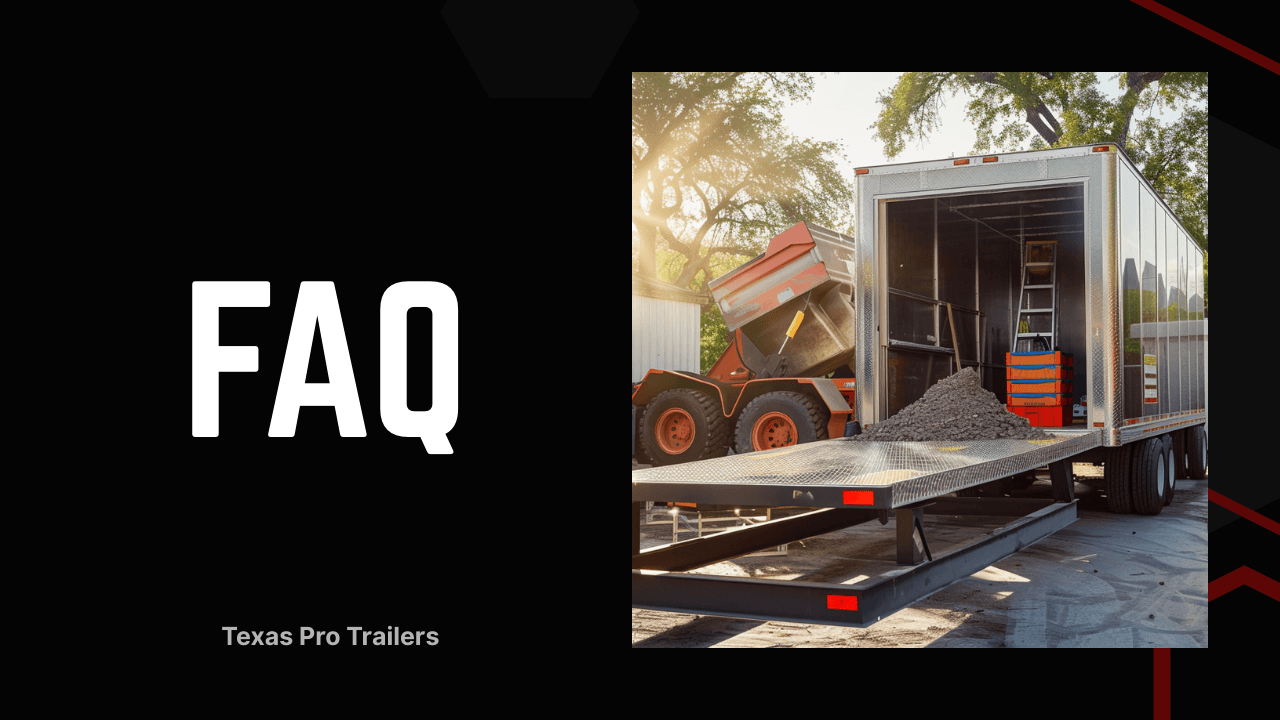
What is the best trailer for a small landscaping business in Austin TX?
A small landscaping business does best with a utility trailer. It’s ideal for lighter hauling and quick turnaround, especially when you’re moving mowers, trimmers, mulch, and green waste between stops. If you carry higher-value tools every day or want a more organized loadout, an enclosed trailer is the better fit. And if you routinely haul heavy debris or soil, a dump trailer can speed up unloading and cut cleanup time.
Are dump trailer rentals a good fit for construction debris removal?
Dump trailer rentals are a strong fit for construction debris removal because they simplify unloading at disposal sites and reduce manual handling. They work especially well for recurring haul-off on remodels, cleanouts, and tear-off jobs. Confirm weight ratings and brake requirements before renting.
Should a contractor rent a trailer weekly or monthly?
Weekly rentals fit projects that span multiple days and involve repeated hauling. Monthly rentals are better when a trailer is used continuously for recurring contracts or steady pipelines. If you need longer than a month, Texas Pro Trailers offers extended rental periods via a custom quote.
Is jobsite delivery worth it for contractor trailer rentals in Austin?
Jobsite delivery is worth it when crew time is expensive, and schedules are tight. It reduces travel time, keeps teams on-site, and can prevent start-time delays. Compare delivery cost to labor hours lost on pickup and return, especially when jobs are spread across Austin.
Checklist
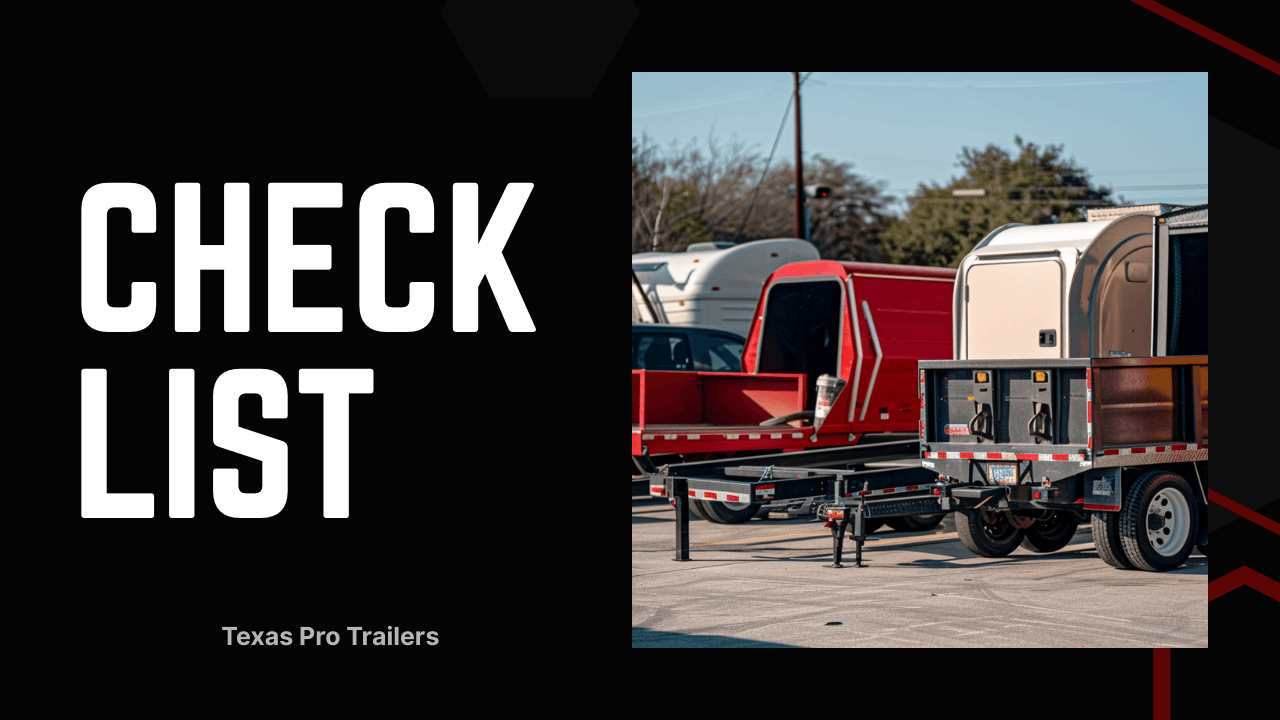
- List your heaviest load and loading method.
- Choose trailer type based on your bottleneck.
- Confirm tow capacity and hitch rating.
- Verify wiring connector type.
- Confirm brake and brake controller needs.
- Check ramp style and deck clearance.
- Plan tie-down points before pickup.
- Decide weekly vs monthly by workload.
- Consider delivery if crew time is costly.
Ready To Reserve a Trailer in Austin?
Contractors and small businesses in Austin get the best results when trailer choice matches the workflow.
Dump trailers fit debris-heavy jobs, equipment, and flatbed trailers fit machines, enclosed trailers protect tools, and utility trailers handle lighter hauling. Weekly rentals help with multi-day schedules. Monthly and extended rentals support steady pipelines and recurring work when consistent availability matters.
If you’re ready to lock in a reliable trailer setup for ongoing jobs, contact us with pickup and drop-off in South Austin on South Congress Avenue near Slaughter Lane, or choose delivery if getting to the lot isn’t practical.